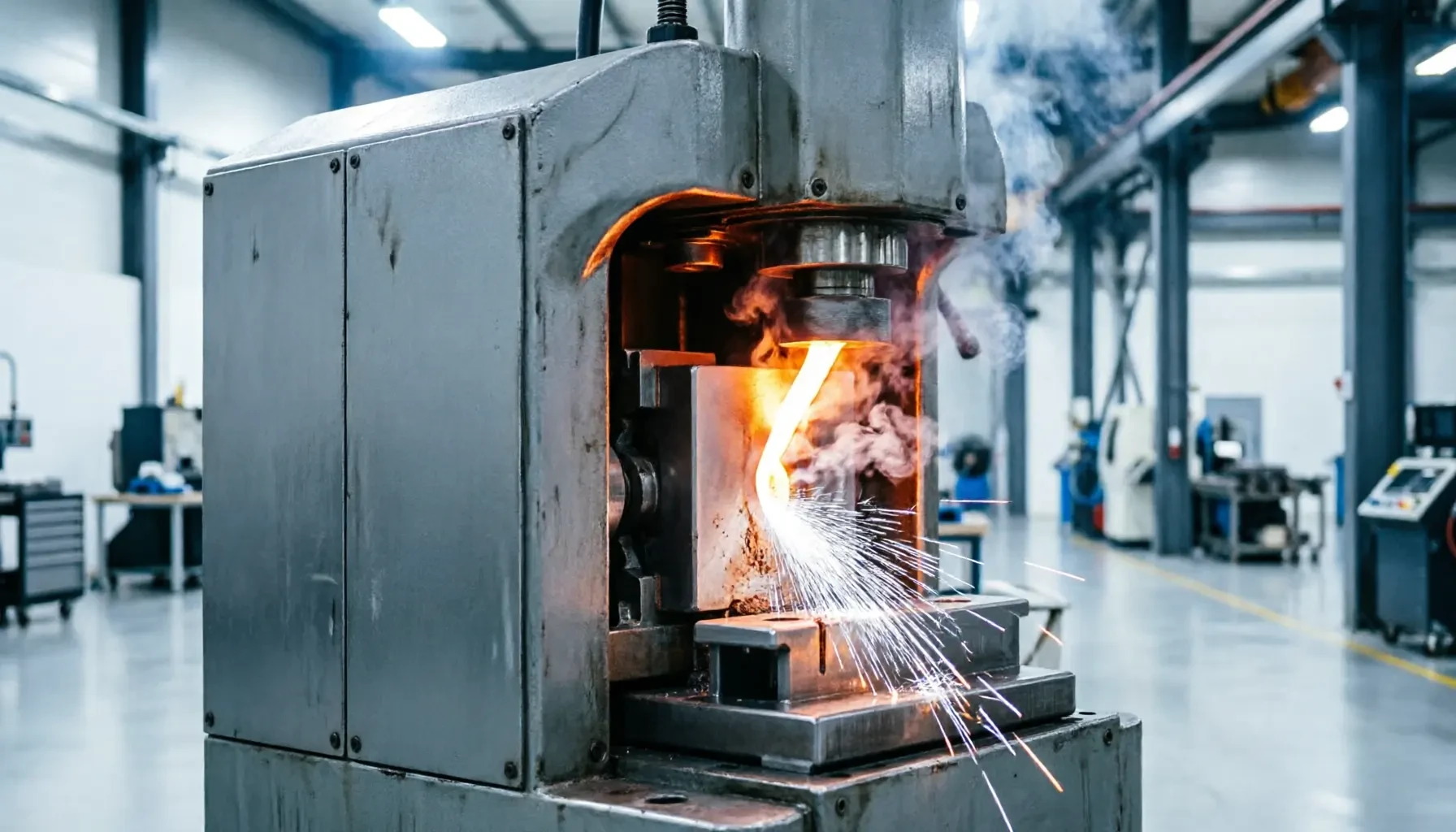
Cold-chamber Die Casting Machine
Aluminium and zinc parts are cast on cold-chamber machines. Cycle parameters are recorded per mould so dimensions stay stable between production runs.

Casting, machining, surface finish and packing equipment installed across our 6,000 sq.m. workshops in Tongshan, Hubei.
Eight steps run in our own workshops, so each stage is checked before the next one starts.
01
Drawings and 3D files are checked for wall thickness, draft angle and tolerance before the quote.
02
Six tooling engineers build moulds in house, with DFM feedback before the design is frozen.
03
Cold-chamber and hot-chamber casting plus press stamping, with cycle parameters recorded per mould.
04
Drilling, milling and thread cutting are programmed from your drawing to the tolerances marked on it.
05
Shot blasting removes scale, then polishing prepares a clean base for the finish.
06
Plating, painting, powder coating and nano coating run on our own lines, matched to an approved sample.
07
Appearance, dimensions and finish are checked, with outgoing inspection following AQL 1.0.
08
Cartons, pallet marks and container plans follow your receiving rules before dispatch.
Die Casting Workshop
Cold-chamber and hot-chamber die casting machines produce zinc and aluminium components.
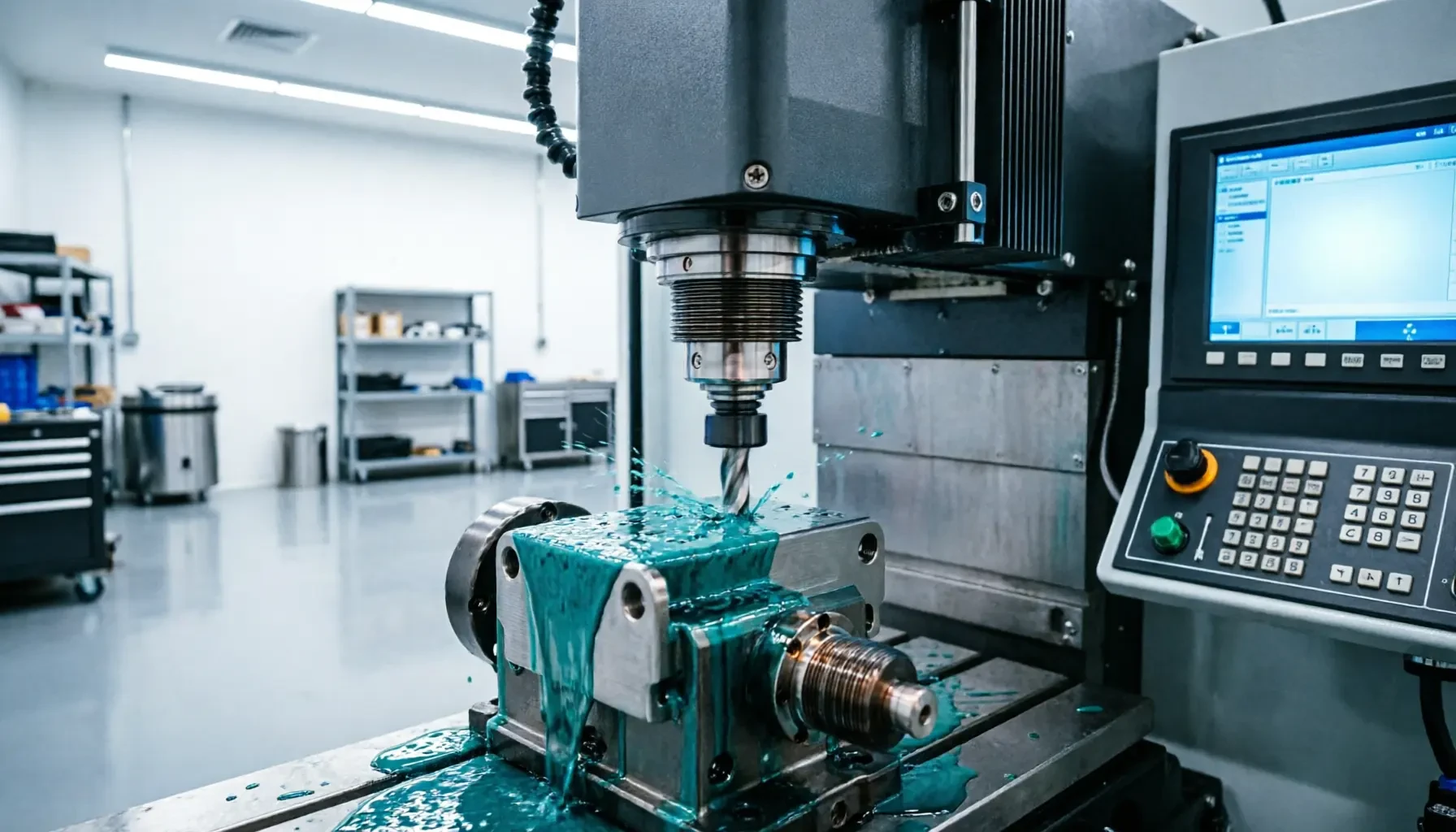
Machining Line
CNC machines, drilling, grinding and laser cutting follow archived process parameters.
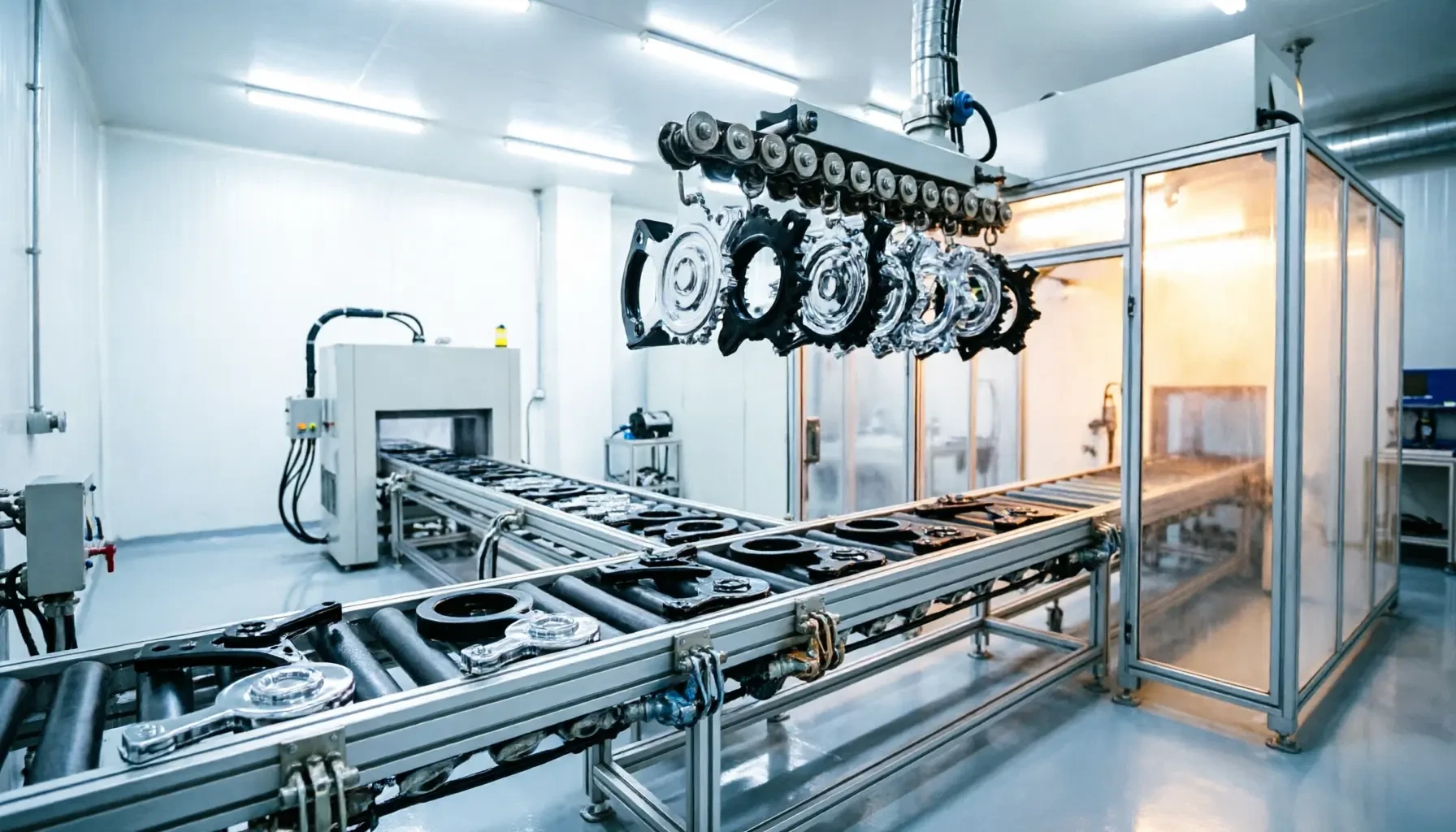
Coating & Packing
Painting, powder coating and automated packing lines prepare goods for container loading.
A full equipment set covering casting, machining, surface finish and packing, all installed in our own workshops in Tongshan, Hubei.
Aluminium and zinc parts are cast on cold-chamber machines. Cycle parameters are recorded per mould so dimensions stay stable between production runs.
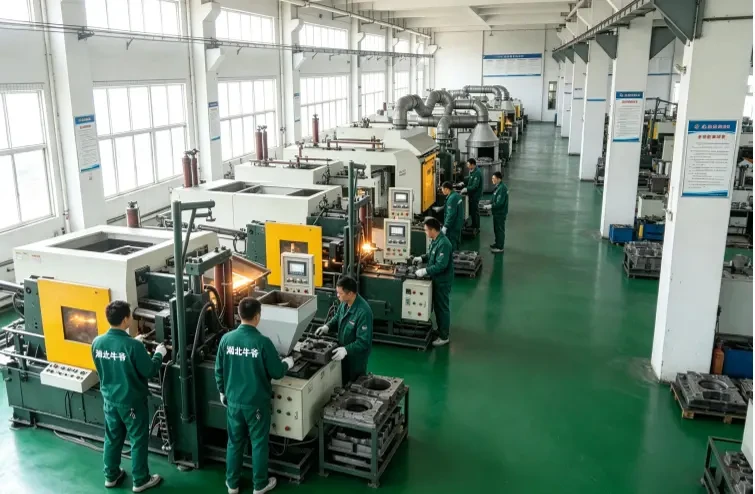
Small zinc hardware such as connectors, clips and hooks runs on hot-chamber machines for short cycle times and consistent surface quality.
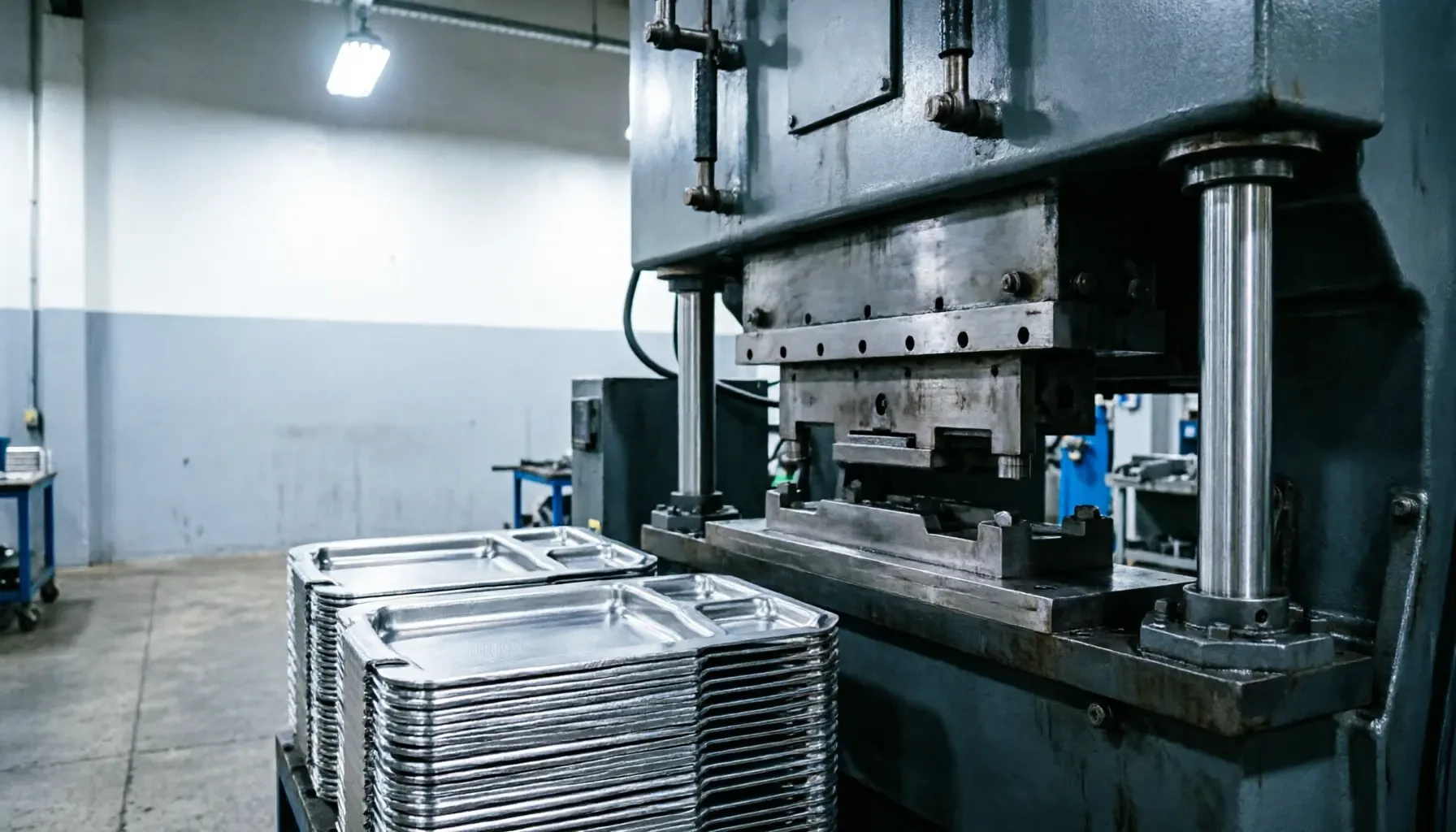
Sheet metal brackets, plates and shelf fittings are stamped in house, with tooling maintained on a fixed schedule.
Drilling, milling and grinding are programmed from the customer drawing, so hole positions and threads follow the approved sample.
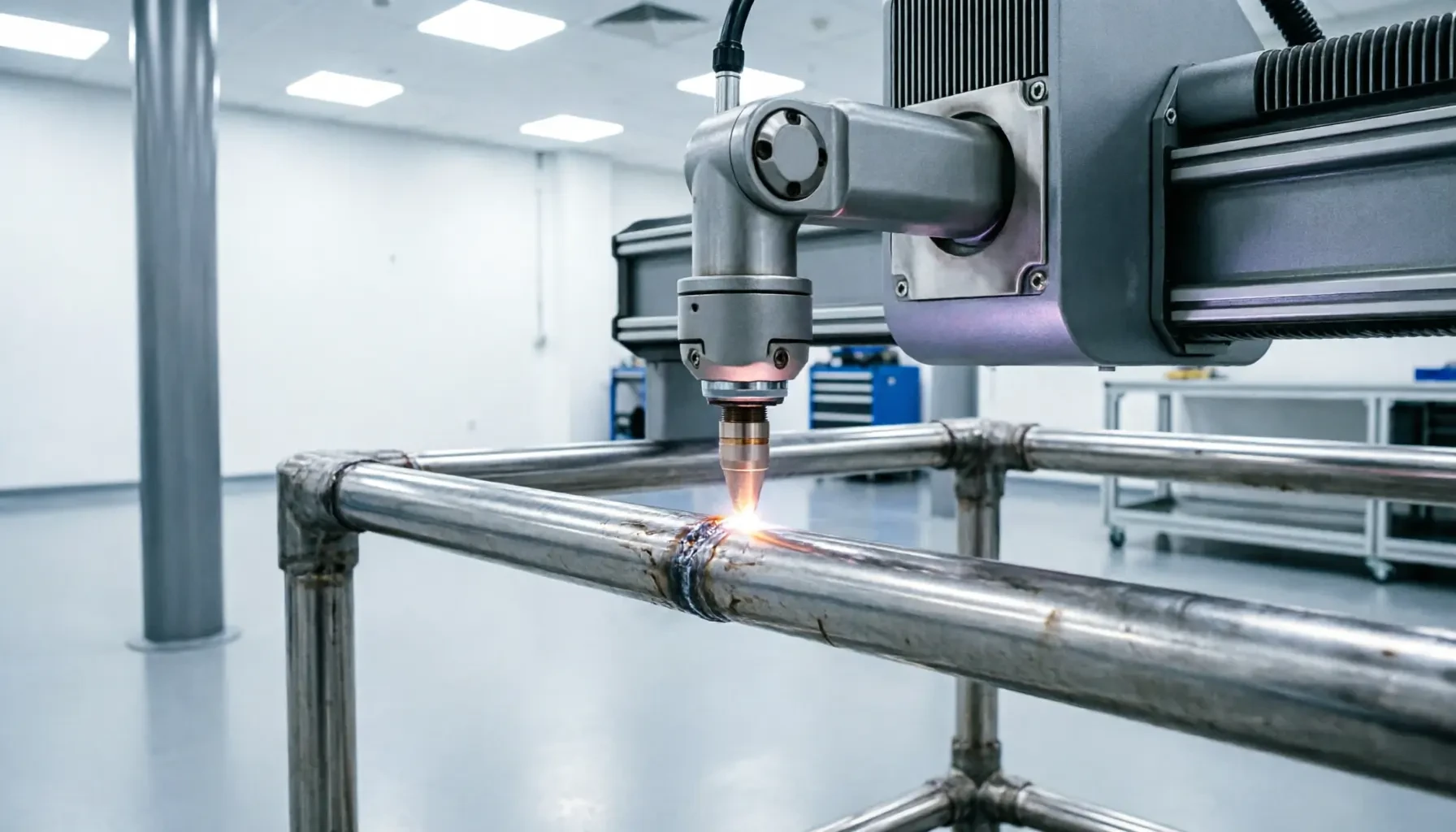
Tube frames and welded assemblies are joined by automatic laser welding, then checked for weld appearance before finishing.
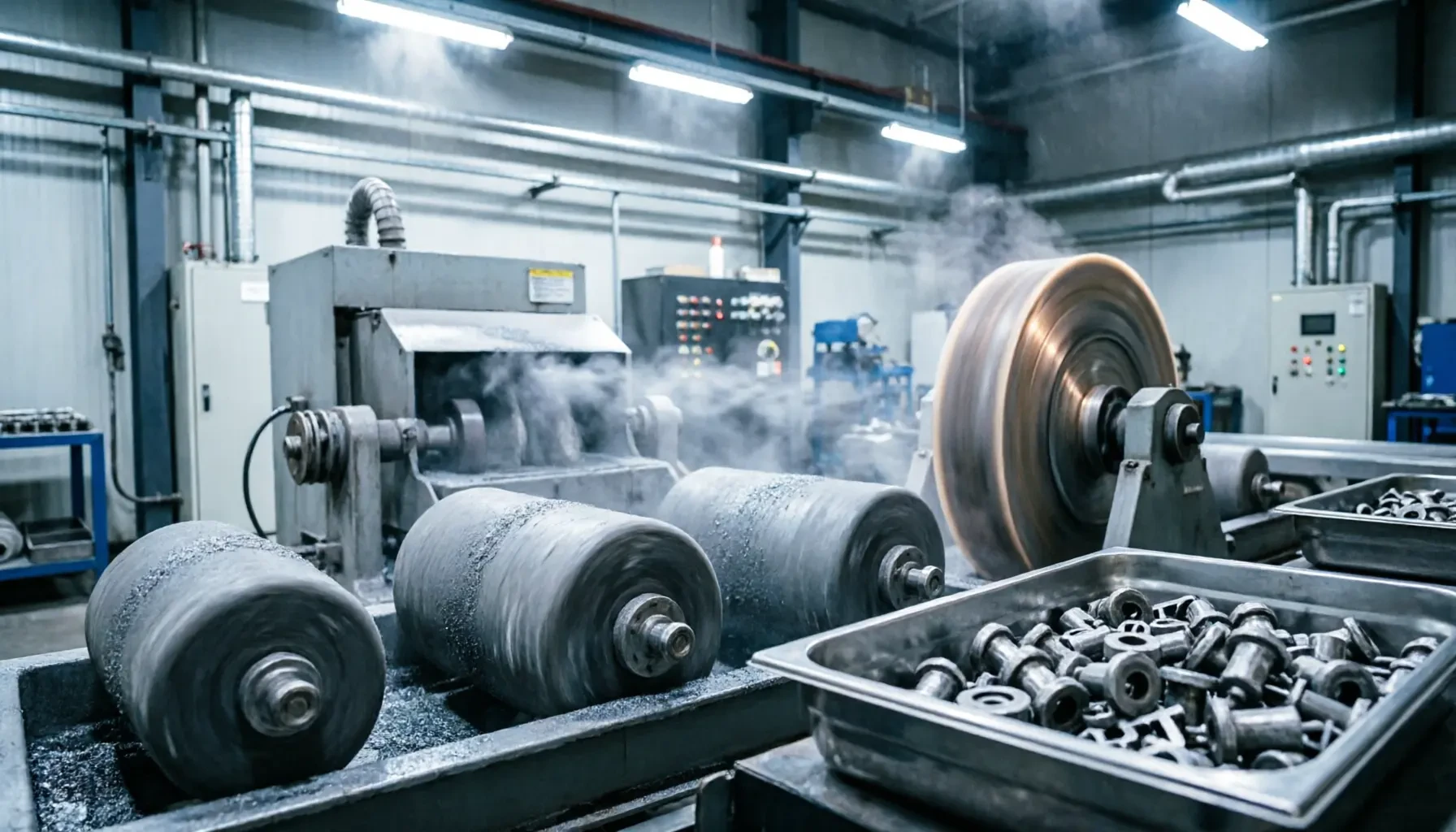
Shot blasting removes scale before polishing, giving a clean base for electroplating, painting or nano coating.
Electroplating, painting, powder coating and eco-friendly nano coating are handled on our own lines, with colour samples kept for repeat orders.
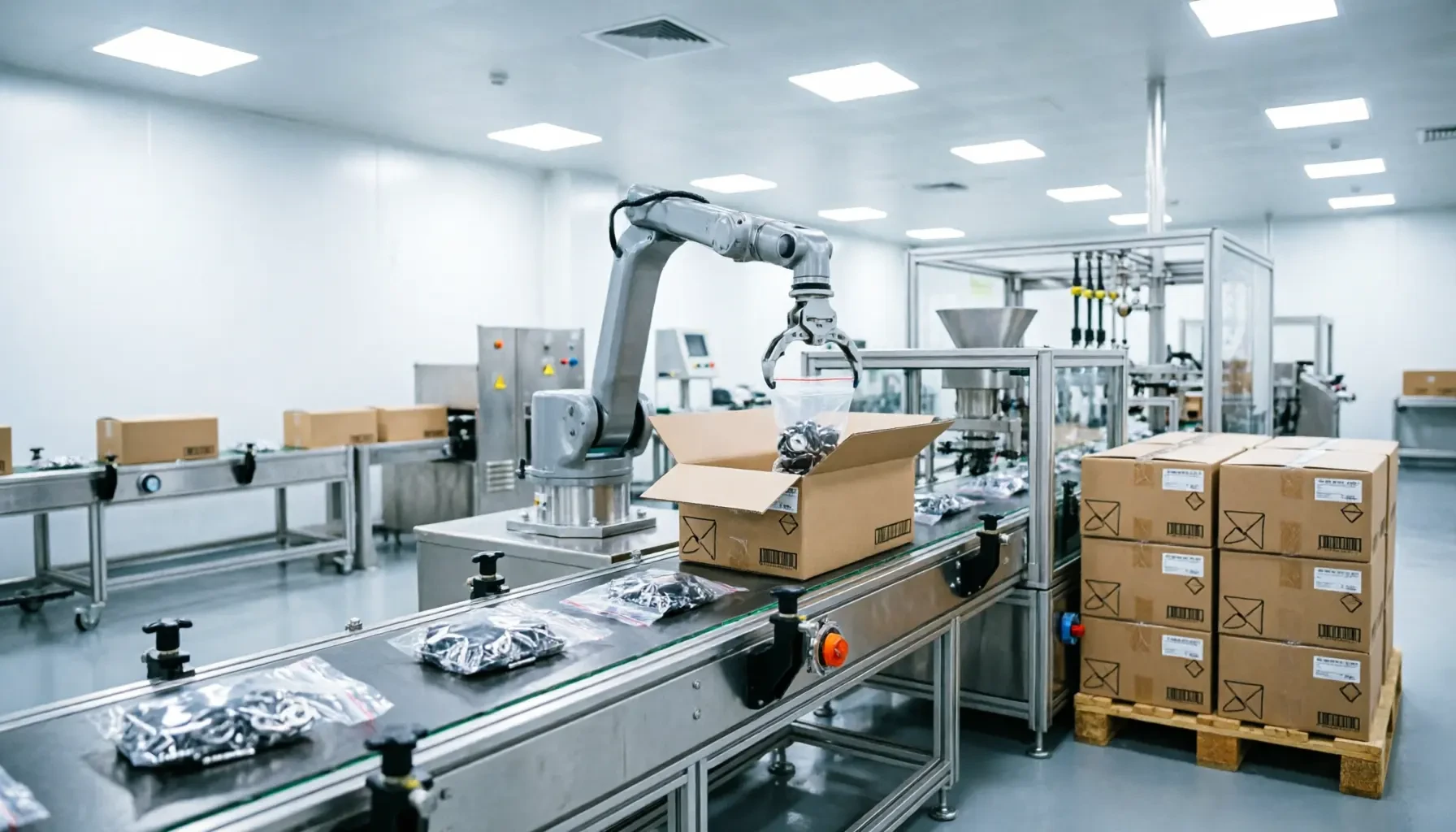
Parts are packed to the agreed carton specification, with labels and pallet marks prepared for export shipment.
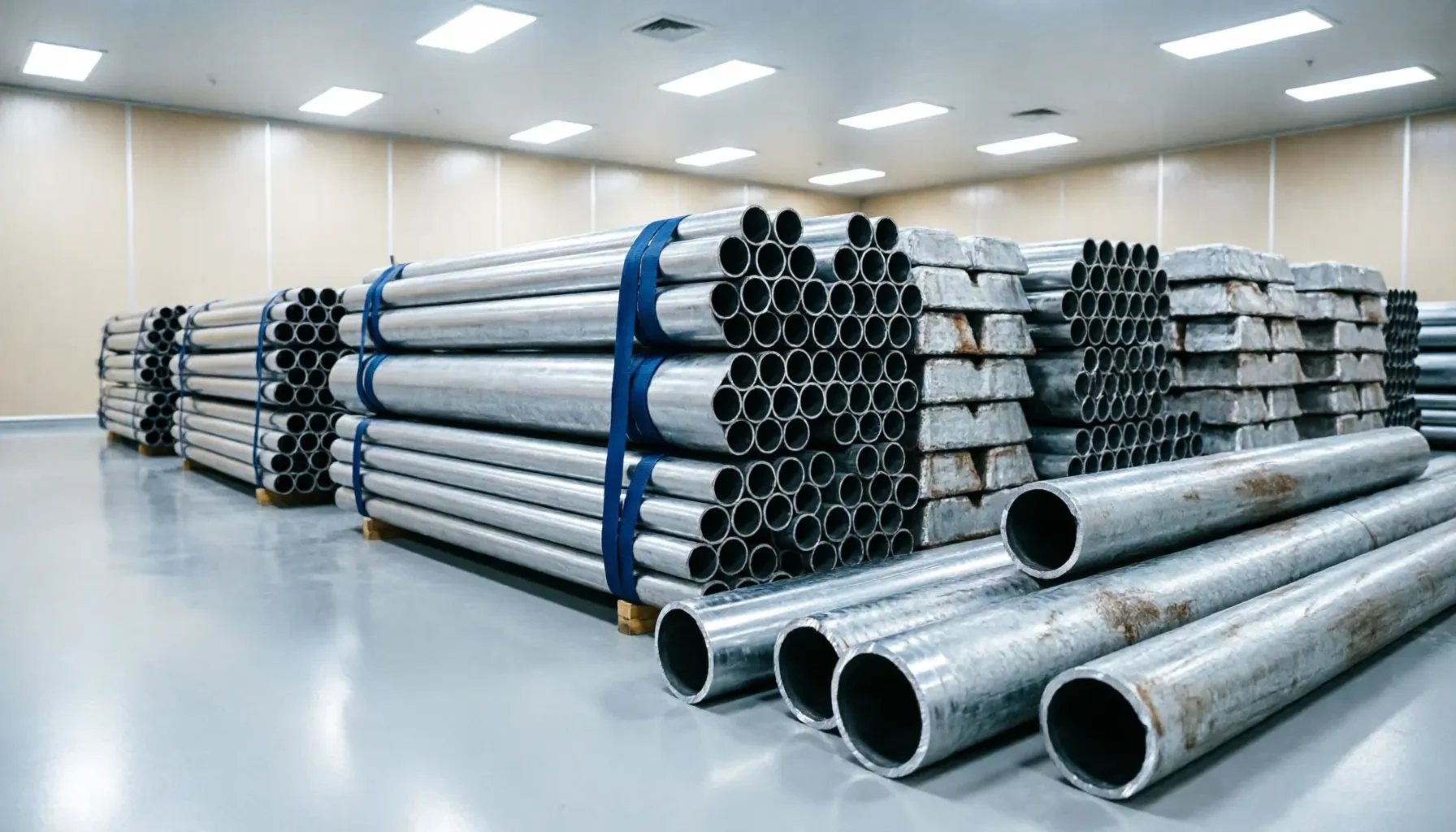
Material quality is confirmed before production starts, so downstream processes are not correcting upstream problems.